NYPD ShotSpotter Gunshot Detection Is Wildly Inaccurate, New Study Finds

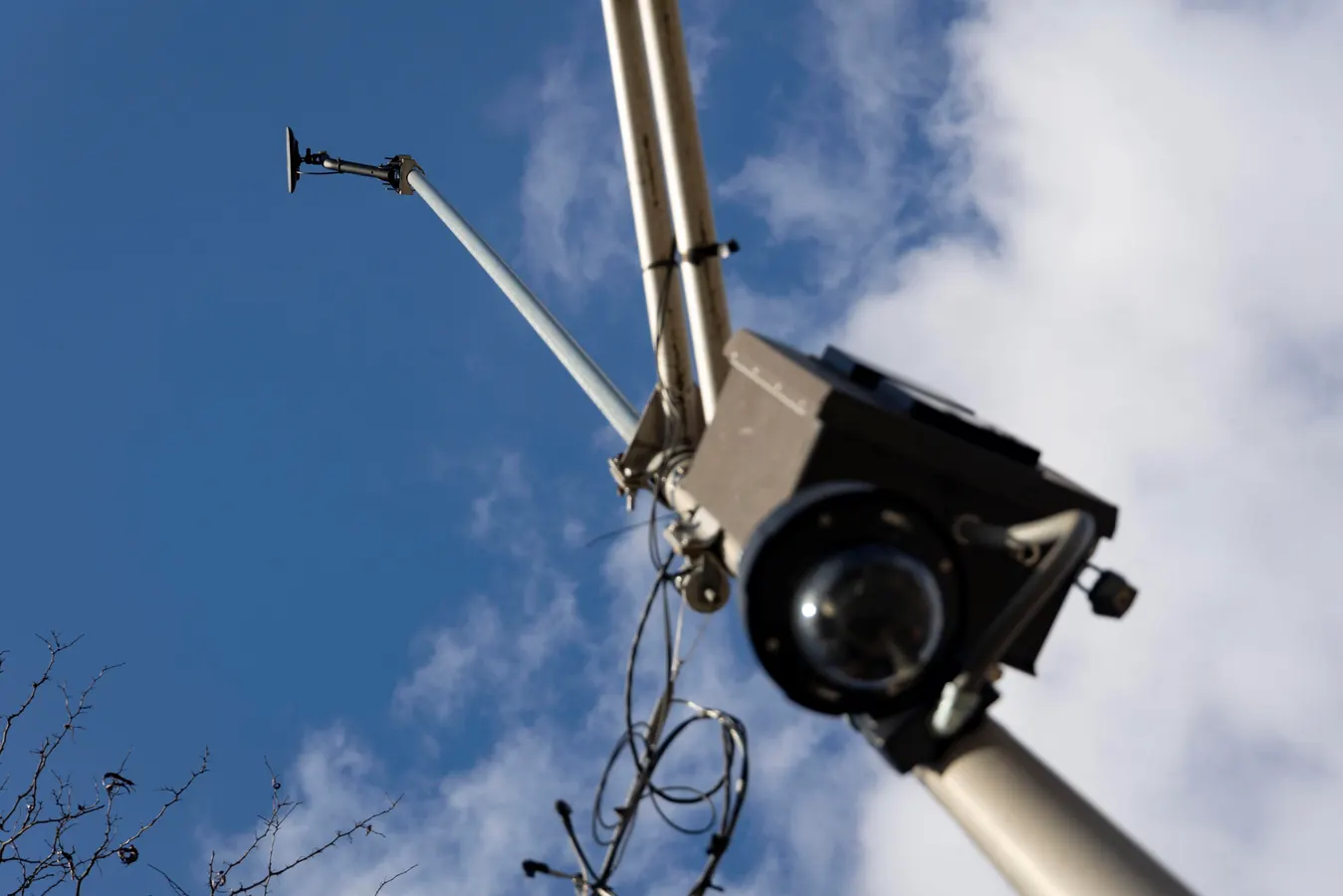
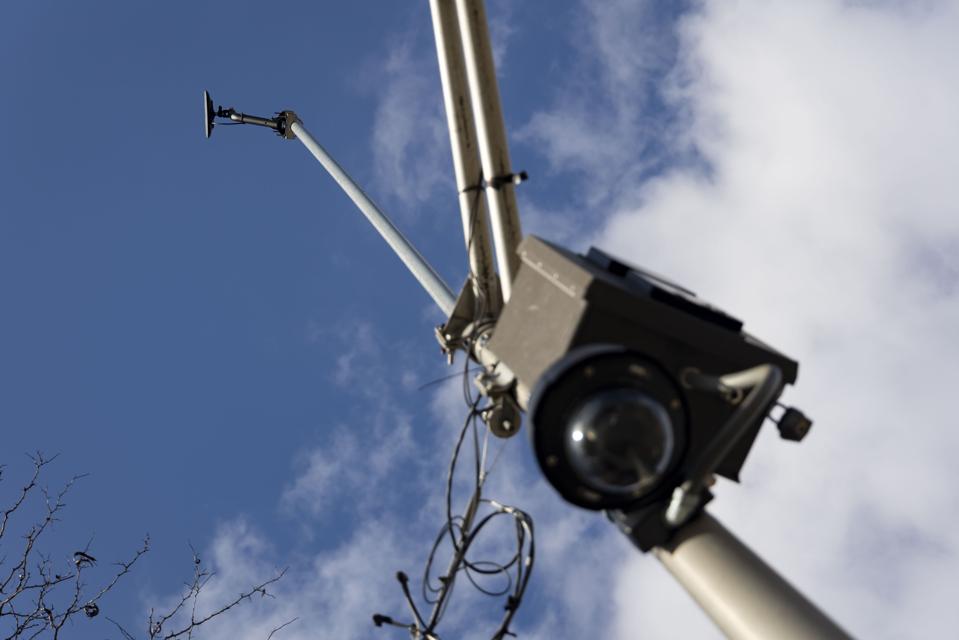
ShotSpotter gunshot detection technology is seen in use on a light pole.
A new report from Brooklyn Defender Services scrutinizes the effectiveness of ShotSpotter, the gunshot-detection technology deployed by the New York Police Department, finding that it creates more problems than solutions for communities it is meant to protect.
ShotSpotter is a gunshot-detection system designed to identify and locate gunfire in real time. It uses a network of acoustic sensors placed in urban areas to detect the sound of gunfire. When the system detects a potential gunshot, it analyzes the sound and sends an alert to law enforcement, providing information such as the location of the incident, the number of shots fired and the time it occurred.
ShotSpotter Gunshot Detection: A Pattern Of False Alerts
The report analyzed nearly 62,000 ShotSpotter alerts logged over nine years. The data reveals that only 16% of these alerts led to confirmed incidents of gunfire. This means that over 80% of deployments prompted by ShotSpotter yielded no evidence of gunfire at the reported locations.
During high-noise holidays like New Year’s Eve and July 4th, the system’s inaccuracies become even more pronounced. Alerts surge by 175% and 200%, respectively, as fireworks and other celebratory noises are misclassified as gunshots. This pattern of false positives can lead to the misdirecting of police resources and potentially problematic interactions with the community, as false positives can lead to confrontations caused by confusion.
The data paints a stark picture of ShotSpotter's effectiveness. Of the tens of thousands of alerts analyzed, a mere 0.9% led to the recovery of a firearm, while only 0.7% resulted in an arrest. In other words, over 99% of all ShotSpotter deployments failed to yield any weapon recovery, raising serious questions about the system's practical value in addressing gun violence.
FBI Warns iPhone And Android Users—Stop Sending Texts
Microsoft’s New Update—Bad News Confirmed For 400 Million Windows Users
Smartphone Security Warning—Make These Changes Now Or Become A Victim
This dismal success rate becomes even more concerning when considering the significant police resources dedicated to investigating each alert. For nearly every hundred times officers rush to respond to a ShotSpotter notification, they leave empty-handed, having found no evidence of the reported gunfire.
A recent incident in Chicago dramatically illustrates the dangers of ShotSpotter's inaccuracy. On Jan. 25, Chicago police officers responding to a ShotSpotter alert encountered a teenager, approximately 14 or 15 years old, in his own backyard. After hearing a loud bang, which was later confirmed to be fireworks, an officer opened fire on the unarmed child.
While fortunately no physical injuries occurred, the incident's aftermath revealed troubling details. Police initially misreported the event, claiming they had fired at a "man" who shot at officers. The Chicago Civilian Office of Police Accountability later confirmed no firearm was used against the officers.
ShotSpotter: Disproportionate Impact On Black Communities
The report also highlights a troubling disparity in how ShotSpotter is deployed across neighborhoods. Predominantly Black neighborhoods experienced 3.5 times more alerts compared to predominantly white neighborhoods. This disparity raises concerns about over-policing in communities already grappling with strained relations with law enforcement. Police responding to false ShotSpotter alerts may initiate stops, searches or investigations based on limited or no evidence, exacerbating tensions and contributing to perceptions of bias.
NYPD Financial And Operational Costs Of ShopSpotter
The NYPD’s investment in ShotSpotter is substantial, totaling $45 million to date. In addition to the financial commitment, the system consumes significant personnel resources. Officers spend an average of nine hours investigating each alert, even when no gunfire is ultimately confirmed.
The Broader Implications Of ShotSpotter’s Use
The Brooklyn Defender Services report is not the first to question the efficacy of ShotSpotter, but it adds to a growing body of evidence questioning the efficacy of the technology. Critics argue that the system’s inaccuracies and deployment patterns contribute to over-policing, misdirect resources and undermine public safety initiatives.
Proponents of ShotSpotter maintain that the system plays a critical role in addressing gun violence, asserting that its benefits outweigh its shortcomings. However, this report should cause us to pause. Any evaluation of the technology must consider not just its potential utility but also it’s accuracy—and the tangible impact a lack of accuracy could have on the communities it serves.
The controversy surrounding ShotSpotter extends beyond New York City, as major metropolitan areas across the United States grapple with the technology's effectiveness. While over 150 cities currently use the system, several major municipalities, including Chicago, Atlanta, and Portland, have opted to discontinue its use.
The NYPD has been contacted for comment. This article will be updated when they respond.