Surfacing Sean ‘Diddy’ Combs Video Evidence Unlikely To Be Fake

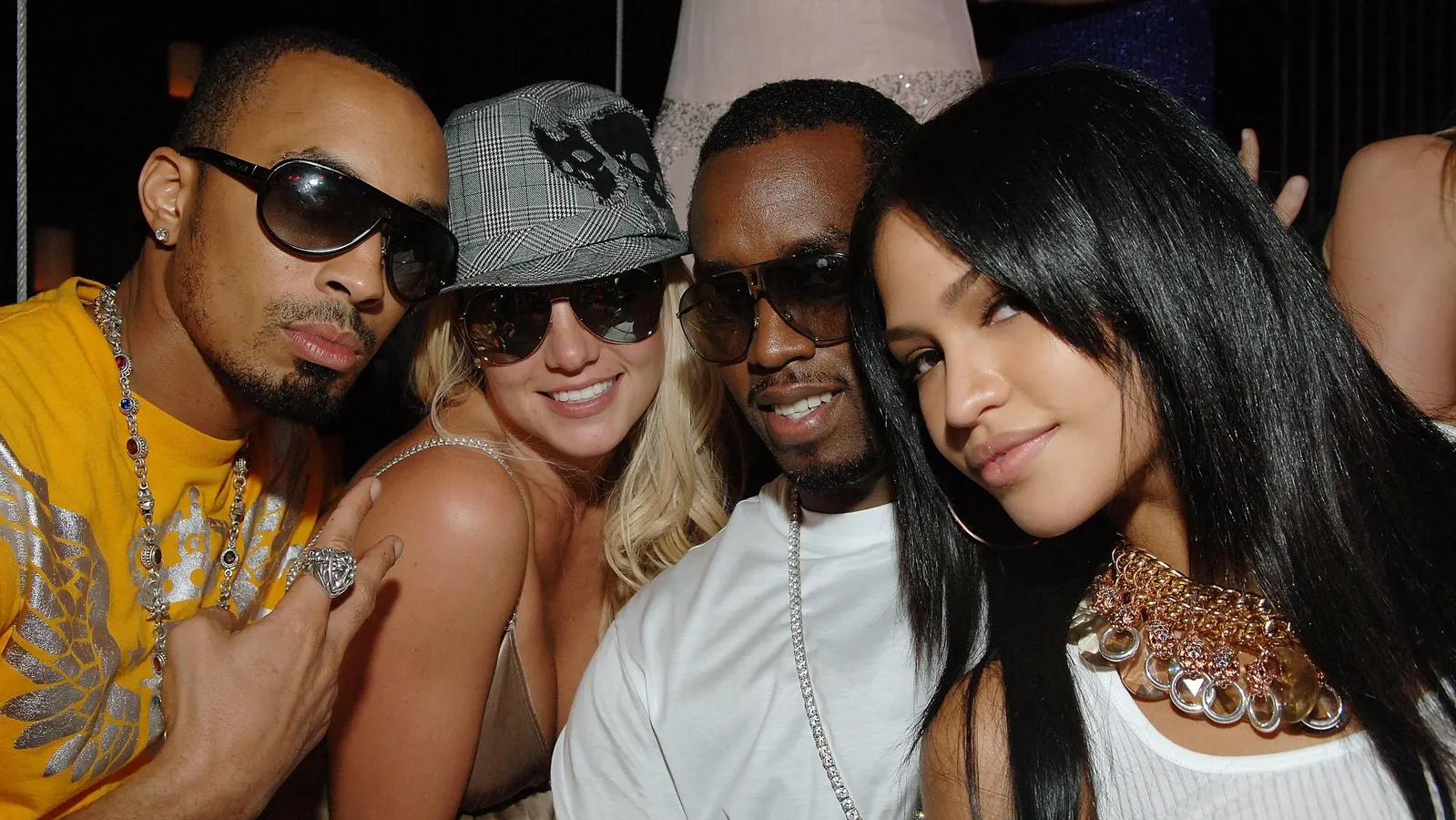
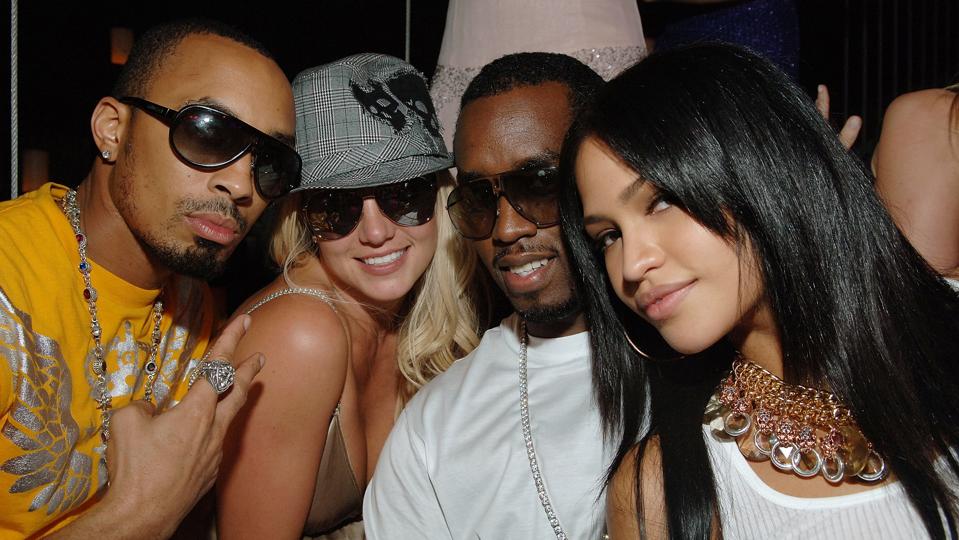
LAS VEGAS - SEPTEMBER 08: Dallas Austin, Singer Britney Spears, Rapper P. Diddy and Singer Cassie ... [+] pose for photos at Cassie's 21st Birthday at Jet Nightclub at The Mirage Hotel and Casino on September 08, 2007 in Las Vegas, Nevada. (Photo by Denise Truscello/WireImage for Jet Nightclub)
Fabricating a video is easier today than it has ever been. Advanced editing and software tools are widely available, and they can run on computer systems in a price range many can afford.
The democratization of generative AI technology further complicates modern video authentication by forensic experts, as a convincing fake can be created by someone with little technical background in video editing and production or an artists understanding of light, shadow and perspective.
However, when it comes to older video footage, like that which may be relevant to the legal proceedings surrounding Sean 'Diddy' Combs, the barriers to successfully faking the footage are significantly higher.
Hard To Fake: Analog and Early Digital Videos
In the 1990s and early 2000s, the dominant forms of video recording were analog formats like VHS and early digital formats like MPEG-1 or DV. Each of these formats carried unique characteristics that make them extremely difficult to convincingly fake.
Analog Formats
Analog video was captured on physical tapes, such as VHS or Beta, and these formats were notoriously difficult to edit without specialized equipment. Any attempt to alter a video involved physically manipulating the tape itself. This meant that faking or altering an analog video required cutting, splicing, or re-recording footage directly onto the tape.
Because analog videos lack the digital flexibility of modern files, tampering with them introduces clear signs of degradation or distortion. When a tape is physically edited, the changes result in signal disruptions or image quality drops that are easily detectable by forensic analysts. The process was highly labor-intensive, and producing a seamless fake would require a level of expertise and access to equipment typically reserved for high-end film studios.
Best High-Yield Savings Accounts Of 2024
Best 5% Interest Savings Accounts of 2024
Even more problematic for fakers was the inability to edit small, specific details. Analog formats recorded in a continuous stream, and changing a single frame or sequence without affecting the rest of the footage was nearly impossible. Thus, even if someone attempted to fake an analog video, forensic analysis would reveal irregularities in the visual and audio consistency.
Early Digital Formats
The shift to digital recording in the late 1990s and early 2000s brought new possibilities, but it also introduced its own hurdles for anyone trying to tamper with video footage. Early digital formats, such as MPEG-1 and DV, used heavy compression due to the limited storage capacity available at the time. Compression algorithms reduced file sizes by discarding certain visual data, which made the videos more prone to quality loss if manipulated.
Attempting to edit these early digital files without proper expertise would lead to noticeable artifacts like distortions in the image caused by inconsistencies in the compression. These compression artifacts, such as blocky distortions or ghosting effects, become magnified if someone attempts to insert new content or modify the footage.
Moreover, the tools available at the time were not as sophisticated as they are today. Editing software was expensive, complicated, and largely limited to professional environments. Even with access to the software, the technical skill required to edit digital files while maintaining their authenticity was incredibly high.
The older the video, the harder it is to fake convincingly. Analog tapes, early digital formats, and the limited access to editing tools in the 1990s and early 2000s make it extraordinarily difficult for anyone to alter footage without leaving detectable evidence.